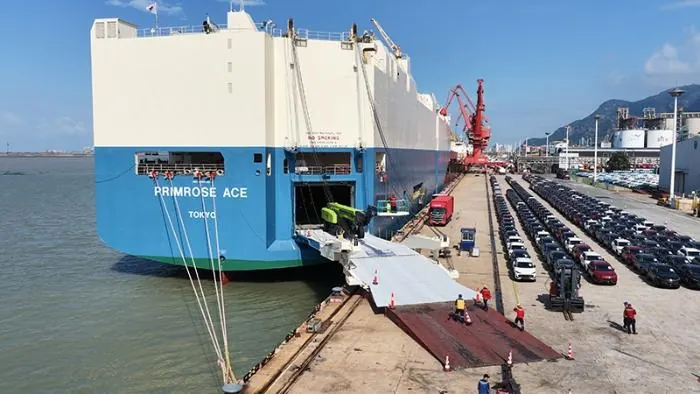
Ro-Ro
The ambulance is driven onto a roll-on/roll-off vessel. Usually the cost-effective option for several units on routes Ro-Ro lines serve.
Export process
Five steps from first message to your port. Here is what happens at each one and what you receive.
Choose chassis, configuration, LHD/RHD and quantity. We confirm availability and send FOB or CIF pricing.
A PI lists the vehicle, medical equipment, price, delivery time and payment terms for you to approve.
The unit is prepared and inspected. You receive photos or video at each milestone.
Ro-Ro or container shipping, lashed and documented, to the port you name.
Export documents are released for customs clearance at destination.
We deliver the ambulance onto the vessel at the Chinese port. Your forwarder handles ocean freight and insurance, and risk passes to you once it is on board.
We book and pay ocean freight and minimum insurance to your destination port. Risk still passes at loading in China, but you deal with one invoice.

The ambulance is driven onto a roll-on/roll-off vessel. Usually the cost-effective option for several units on routes Ro-Ro lines serve.
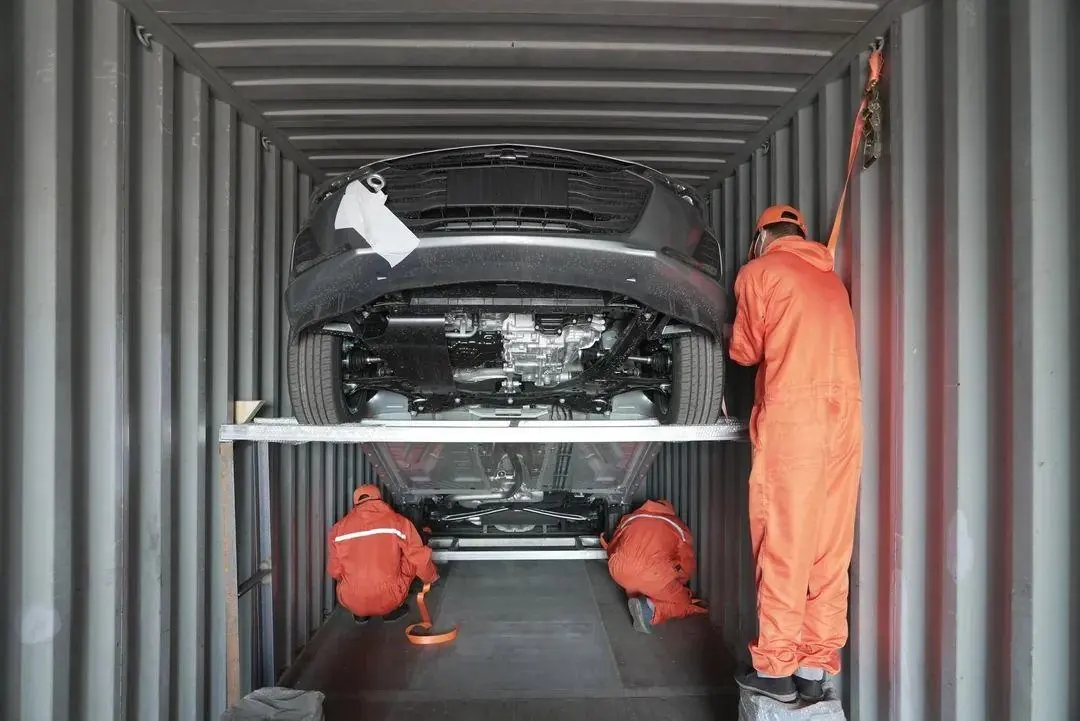
The vehicle is lashed inside a container. Suits destinations without Ro-Ro service, and keeps the unit sealed in transit. High-roof ambulances need checking against container height.
Standard export documents typically include the commercial invoice, packing list, bill of lading and certificate of origin. Tell us early if your customs or registration authority needs anything else, such as inspection certificates or specific certificate formats.
We coordinate inspection before loading and send you photos or video at each milestone. If you need an independent third-party inspection, name the agency and we arrange access.
Fill in the short form or message a manager directly. Quotes and single orders go to Kate or Fan; distributors and tenders to Kunta.